

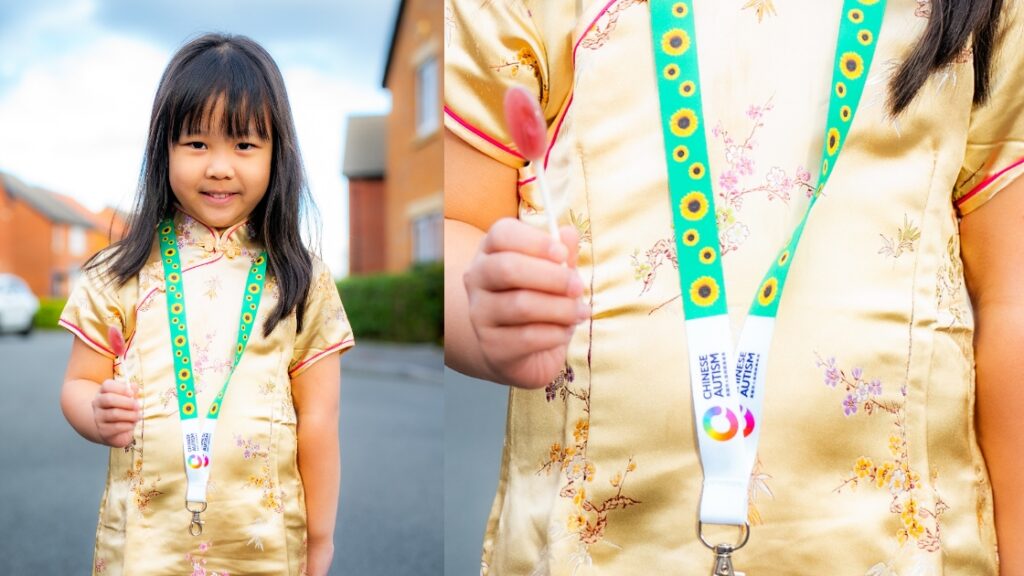
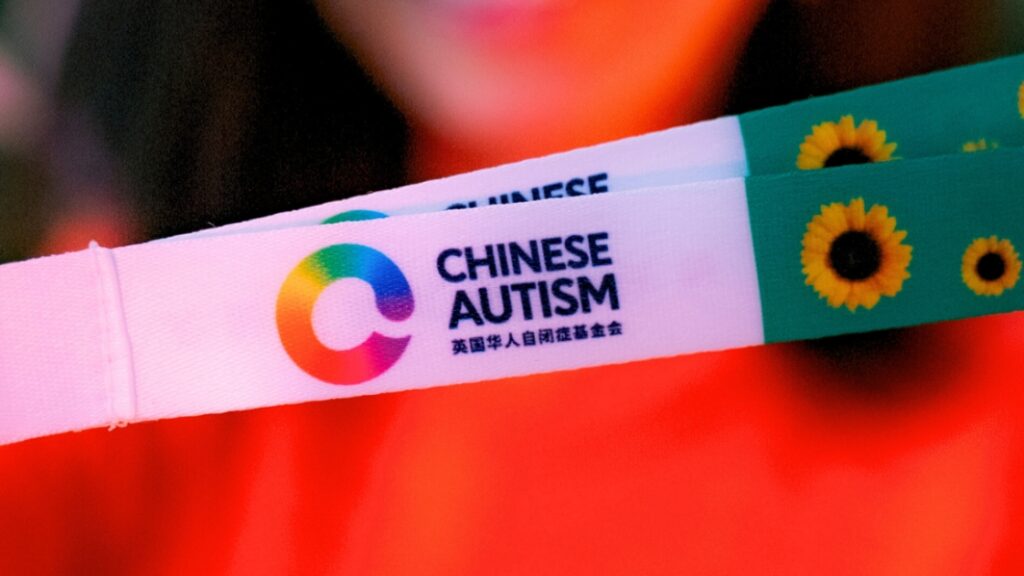
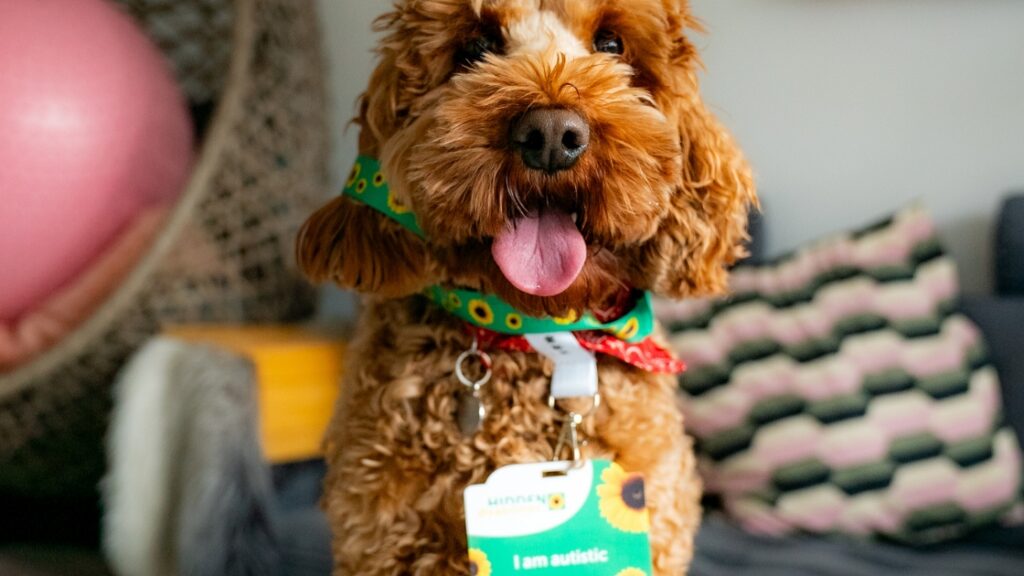
This year, we proudly launched our first official campaign in collaboration with Hidden Disabilities Sunflower. Together, we co-created an exclusive bilingual Sunflower Lanyard designed specifically for Chinese-speaking autistic people and their families.
At first glance, it is a simple piece of fabric. In reality, it carries years of lived experience, cultural complexity, and the collective hope of families who have spent too long navigating public spaces in silence.
Why this lanyard matters
For many autistic people, public places can be overwhelming. For Chinese families, those challenges are often magnified by cultural expectations, community stigma, and language barriers.
Over the years, families have shared stories with us about the judgement they face on buses, in restaurants, in shops, and in schools. Some felt unable to advocate for themselves. Others feared bringing attention to their child. Many simply stopped going out unless absolutely necessary.
Not because they wanted isolation, but because discrimination made everyday life feel unsafe.
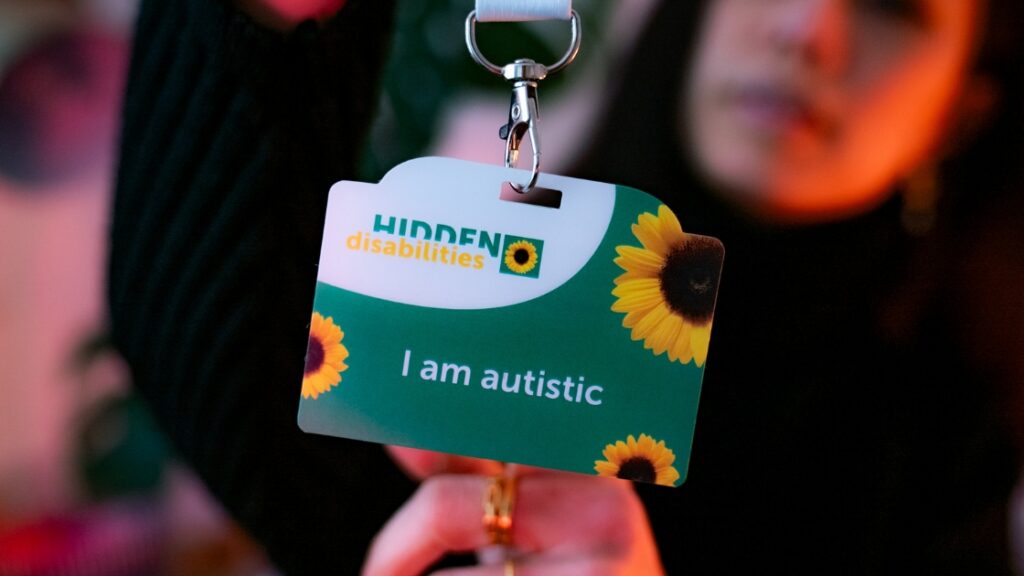
The bilingual Sunflower Lanyard offers something long overdue: accessibility without fear. It acts as a quiet signal that someone may need patience, understanding, or support. It removes the expectation to explain yourself, especially in moments when communication is difficult. Most importantly, it acknowledges that autistic people deserve dignity and safety in public spaces, no matter the language they speak or the cultural pressures they carry.
The power of collaboration
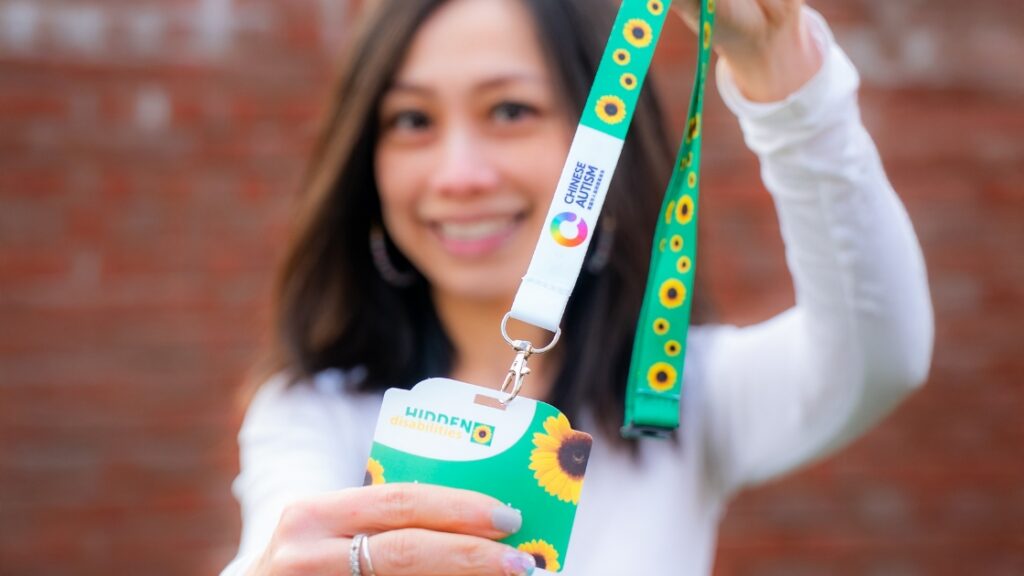
The Sunflower symbol is already recognised across airports, transport, workplaces, healthcare services, and retail environments throughout the UK. Despite this, awareness remains extremely low within the Chinese community. Many families have never heard of the lanyard. Some are unsure whether it is appropriate to use. Others believe they will be judged for wearing one.
This is exactly why our collaboration with Hidden Disabilities Sunflower matters so much. It bridges a gap that has existed for far too long. It brings together a globally recognised accessibility symbol with the cultural and linguistic needs of our community. And it sends a powerful message: Chinese autistic people deserve visibility and acceptance without having to fight for it.
This collaboration means a lot for our community.
It shows that accessibility can be culturally responsive.
It shows that inclusion is possible when organisations listen.
It shows that empowerment grows when families feel understood.
It also signals a shift. The stigma surrounding autism within Chinese culture does not have to continue. Awareness can grow. Conversations can change. Families can feel proud rather than ashamed. And young autistic people can navigate the world knowing they deserve respect.
How you can help
Creating a more inclusive society is a shared effort.
You can support this movement by:
- sharing the campaign with others
- helping raise awareness of the Sunflower symbol within Chinese communities
- encouraging businesses and service providers to recognise the lanyard
- donating or supporting CACIC in any capacity
Your kindness helps ensure that autistic children, adults, and their families can access public spaces safely and confidently. Not quietly. Not fearfully. Proudly and authentically.
This campaign is more than a launch. It is a promise.
A promise that autistic Chinese families do not have to navigate the world alone.
A promise that their needs deserve to be met with understanding, not judgement.
A promise that when community, culture, and accessibility meet, real change begins.
And this is only the beginning.