


Being on a stage can feel intimidating at any age. For many autistic children and young people in the Chinese community, it can feel especially out of reach. Cultural stigma, fear of judgement, and a lack of inclusive opportunities mean that many rarely have the chance to share their interests, talents, or ideas in public.
Stage Showcase was created to change that.
The event was designed and led by CACIC’s young volunteers to give autistic children and young people a platform that felt safe, inclusive, and affirming. It was not about performance in the traditional sense. It was about visibility, choice, and trust.
A stage built around the young people
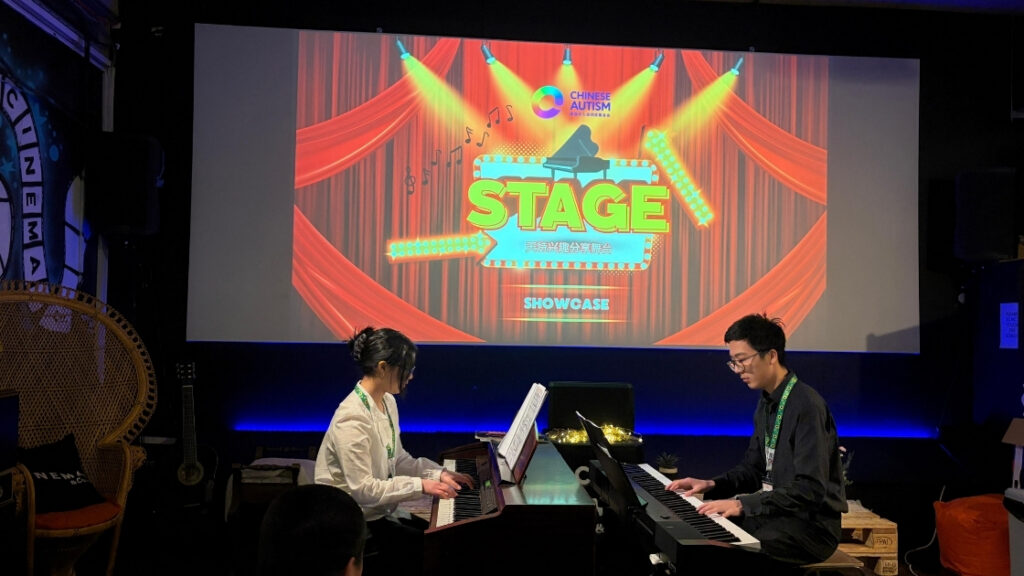
From the outset, the intention behind Stage Showcase was clear. This was a space shaped around the needs of the young people, not expectations placed upon them. Participants were free to take part in their own way and at their own pace.
Throughout the day, young people shared a wide range of interests and skills. Some solved Rubik’s Cubes under the spotlight. Others presented digital artwork, talked through an app they had developed, or played musical instruments. Each contribution reflected something personal and meaningful to the individual.
There was no pressure to perform in a certain way. There was no expectation to conform. The environment adapted to the young people, allowing confidence to emerge naturally.
Understanding courage differently
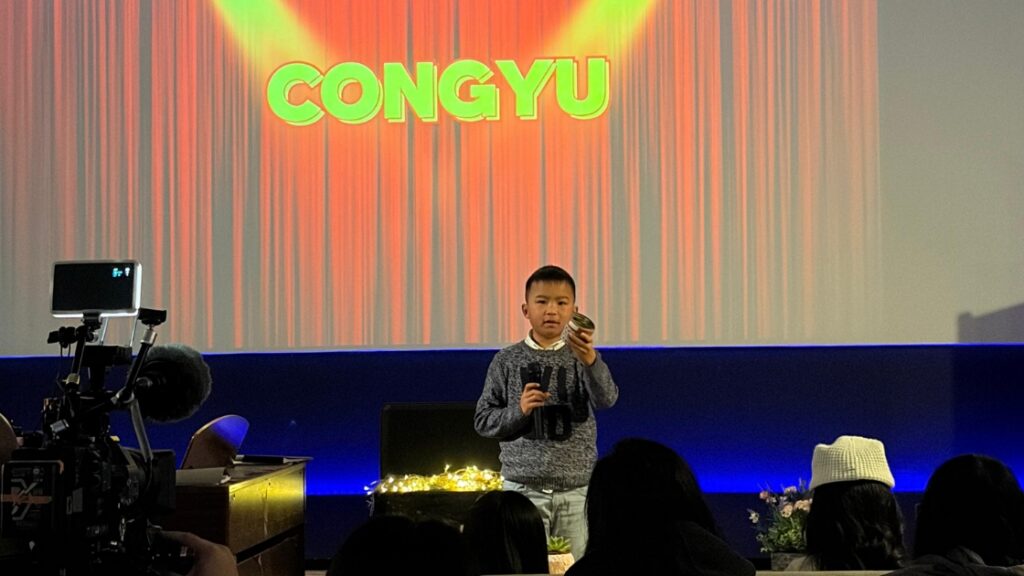
Courage looked different for everyone. For some, it meant stepping onto the stage and speaking. For others, it meant standing alongside a volunteer, showing their work, or simply being present in the room.
Joshua, one of the young volunteers who helped organise the event, reflected on this moment:
“I’m quite glad to see that many have chosen to come up and perform. I think it’s very encouraging for a lot of people.”
Encouragement often grows through shared experience. Seeing peers step forward, in their own way, creates a sense of possibility. It reminds young people that participation does not have to look the same for everyone.
A celebration shaped by inclusion
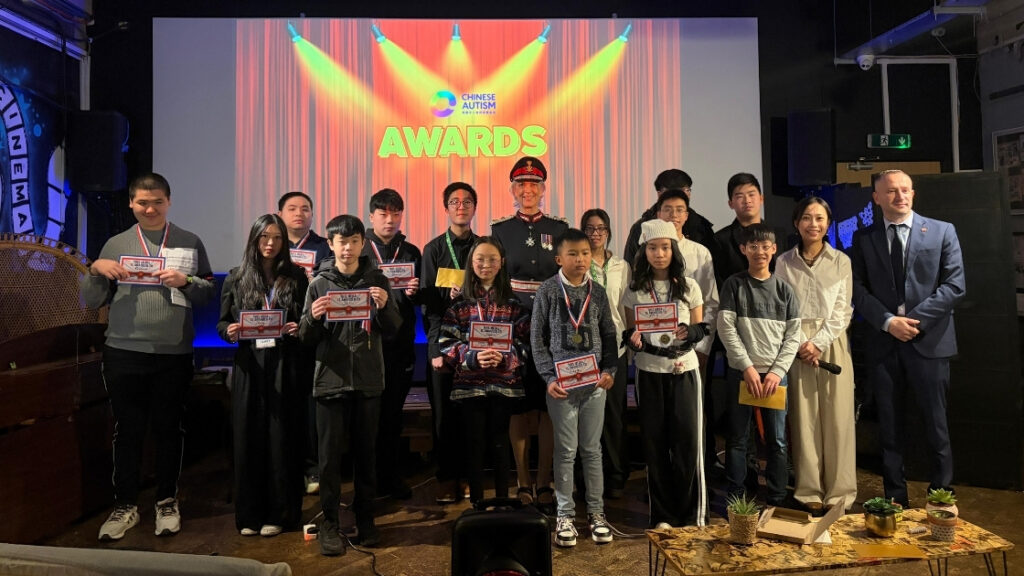
As the event came to a close, a cake was brought out and someone asked whose birthday it was. Hazel’s response captured the spirit of the day:
“When the cake came out, everyone asked, ‘Whose birthday is it?’ But today wasn’t about one person. It was a celebration of every talented child and young person in our Chinese autistic community.”
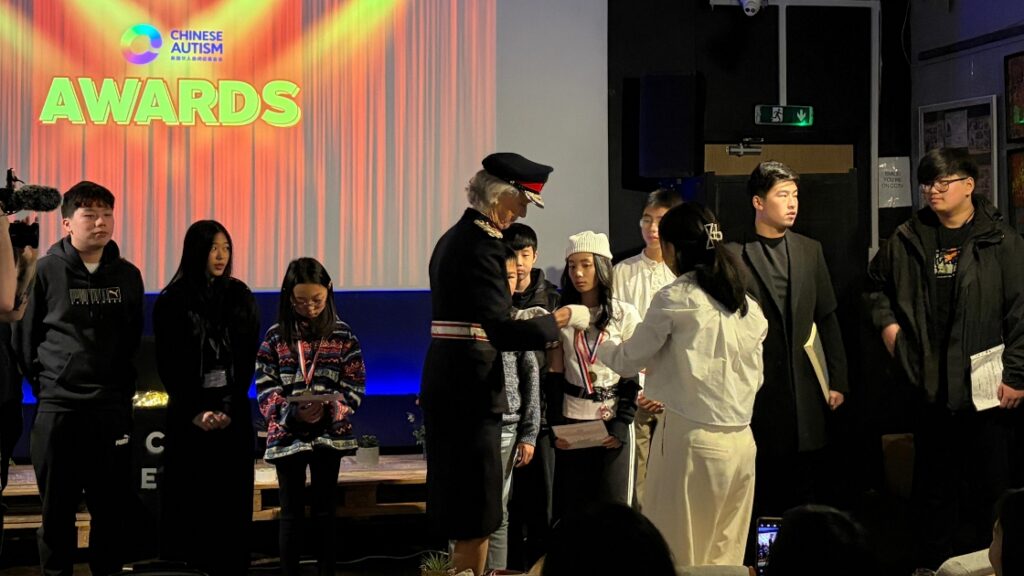
Stage Showcase was intentionally designed as a celebration rather than a competition. Each participant received an award presented by the Lord Lieutenant, recognising their contribution and courage. There were no rankings or comparisons. Every young person was acknowledged equally.
This approach reflects a key principle of neurodiversity-affirming practice: valuing participation and self-expression over performance or outcomes.
Recognising the value autistic people bring
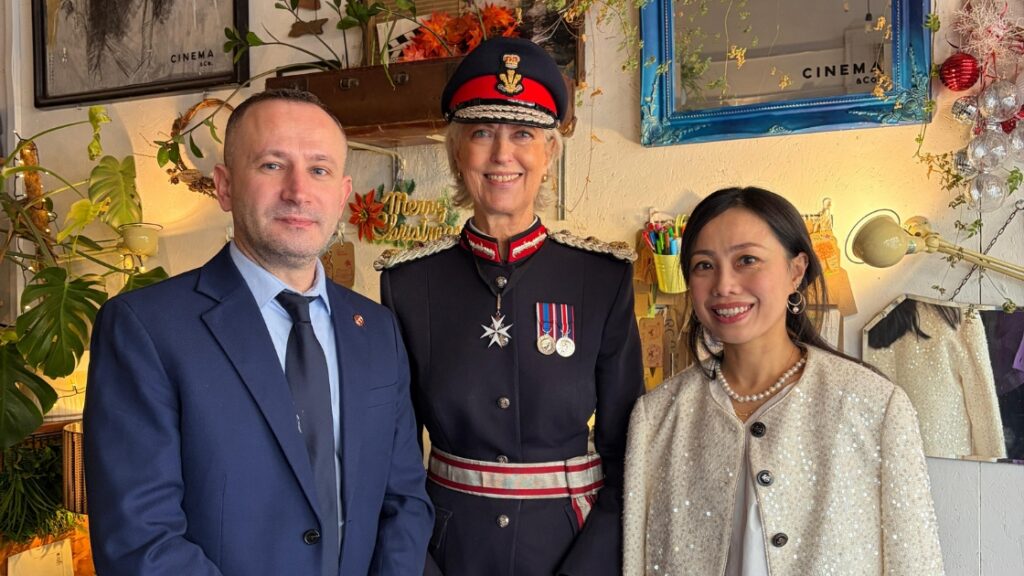
During the event, the Lord Lieutenant spoke about the wider significance of recognising autistic people as contributors to society rather than individuals defined by limitation.
“Society as a whole needs to understand what people with autism can bring and the value it can add.”
She spoke openly about the need for systemic change, emphasising that inclusion is not about asking autistic people to adapt, but about adapting environments so everyone can access what they need.
“I firmly believe that society needs to change its thinking about people with autism and start to adapt and change the environment. Autism is beautiful and exists in so many people in society, often without being recognised.”
Looking ahead, she addressed the young people directly, recognising them as future contributors and decision-makers whose perspectives matter.
“The diversity you will bring to decision making can only make us a better place for everybody to live in.”
How far we have come together
For Hazel, the day was a powerful reminder of how far the community has come.
“At the beginning, when I approached families, they were very scared and reluctant because of the cultural stigma in our culture. People are scared to accept autism. Now you can see a full room of families, because we trust one another.”
That trust did not appear overnight. It has been built through consistent engagement, culturally aware communication, and a commitment to sharing non-stigmatised information. Stage Showcase was one visible outcome of that work.
Hazel also shared the intention to continue creating more opportunities like this in the future.
“We are hoping we can do more.”
When young people are trusted to lead
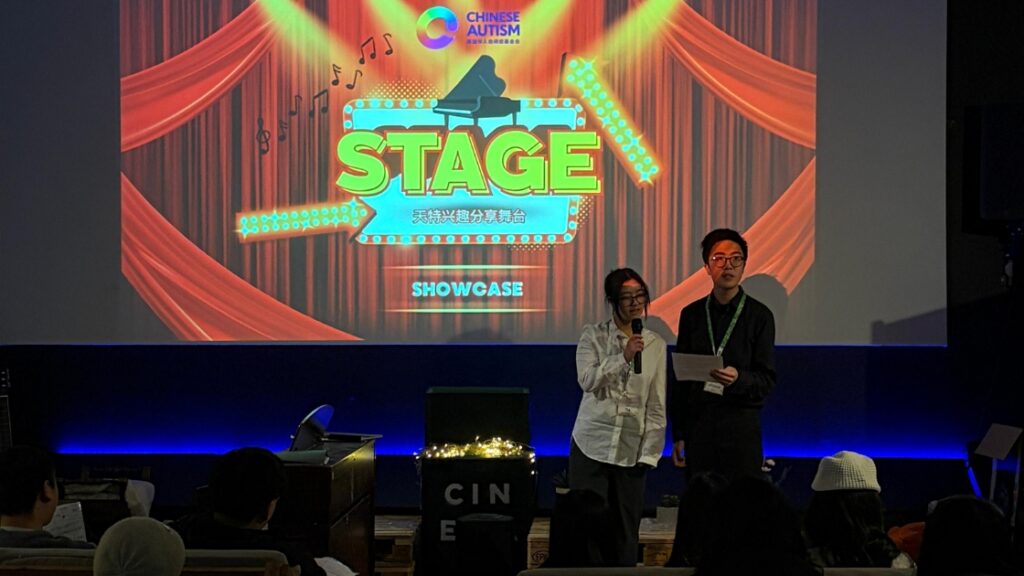
One of the defining features of Stage Showcase was that it was led by young volunteers. Their leadership shaped the tone of the event and ensured that it remained calm, inclusive, and responsive.
They paid attention to sensory needs, emotional comfort, and pacing. They supported participants quietly and respectfully. Their approach demonstrated what happens when young people are trusted to lead with empathy and awareness.
When spaces are designed this way, confidence does not need to be forced. It has room to grow.
Visibility beyond the room
We were grateful for the presence and encouragement of the Lord Lieutenant and Deputy Dr Nistor B., and for ITV Cymru Wales sharing moments from the day. Visibility plays an important role in challenging stereotypes and shifting public understanding of autism within the Chinese community and beyond.
Seeing autistic children and young people celebrated for their interests, creativity, and confidence helps reframe what is possible.
A forward-looking reflection
Stage Showcase was not about creating a single moment of visibility. It was about modelling what inclusive, culturally aware spaces can look like when they are built with intention.
When young people are trusted.
When families feel safe.
When difference is respected rather than managed.
This is how confidence grows. This is how stigma is challenged. And this is how more young people are given the opportunity to be seen on their own terms.
Stage Showcase was one step, and it will not be the last.